Fujisan's Kyareng

Sunday, April 14, 2013

HUNGER STRIKE FOR TIBET

བོད་ཀྱི་ཆེད་དུ་མིག་ཆུ། 
བོད་དུ་འགྲོ་བཞིན་པའི་སྐུ་ལུས་མེར་བསྲེགས་གི་ཞི་བའི་ངོ་རྒོལ་ལ་གདུང་སེམས་མཉམ་སྐྱེད་མཚོན་བྱེད་དང་། ཁོང་རྣམས་ཀྱི་དགོས་འདུན་གསལ་བསྒྲགས་ཆེད་དུ་ཨ་རི་སེན་ཕེ་རན་སིས་ཀོ་ས་གནས་སུ་བོད་མི་བསྟན་པ་ལགས་ནས་ཟས་བཅད་ངོ་རྒོལ་ལས་འགུལ་སྤེལ་བ།      
Tears For Tibet: Hunger Strike for Tibet 

San Francisco: In order to highlight the ongoing self-immolations protest movement and the critical situation in Tibet, Tenpa Jamyang, a San Francisco Tibetan resident is staging a hunger strike protest today before the Tibetan community hall at Richmond. He said this lone initiative is directed to show solidarity with the Tibetan people in Tibet, and to inspire our people here to engage in activities to draw the attention of local and international communities to support our struggle for freedom and justice in Tibet. Two members of Regional Tibetan Youth Congress members were also there to assist Mr. Tenpa and to show their solidarity. Tibetans and local supporters in the area were seen visiting and expressing word of support to Tenpa’s voluntary initiative.

Saturday, April 6, 2013

Kanzan flowers; Harbinger of Spring

ཀན་ཛན་རྩི་ཤིང་མེ་ཏོག

དཔྱིད་ཀྱི་ཕོ་ཉས།
སེམས་ཀྱི་འདུན་པའི།
སྒོ་ཡི་དྲིལ་བུ།
ཡིད་ལ་གདུང་གདུང་།
The harbinger of spring intensely ranged the door bell of my heart’s aspiration in my mind
མཛེས་པའི་ཀན་ཛན་མེ་ཏོག  འགྲུལ་གྱི་མདུན་ལ་ཤར་བྱུང་།
འདུན་པ་བློ་སྟོབས་ཆེན་པོས།  སེམས་ཀྱི་དཔྱིད་སྒོ་ཕྱེ་སོང་།
                                            Beautiful Kanzan flowers
                                            Bloomed before my journey
                                            Full of aspiration and adventures
                                            Opened the spring gate of my heart
 
美しいカンザン桜、私の家の前に咲き
 希望と冒険一杯で、開いた私の心の春門

Saturday, March 23, 2013

2013 MARCH FOR TIBET'S INDEPENDENCE

RANGZEN WALK IN SAN FRANCISCO BAY AREA
March 23, 2013
བོད་རང་བཙན་ཆེད་དུ་གོམ་འགྲོས། བོད་རང་བཙན་གཙང་མ་ཡིན།
チベット独立行進・チベットは独立国家です

IMIT members and the core participants of the 'Circle the Bay for Tibet Walk' addressing the gatherings and being felicitated at Tibetan community hall in Richmond, CA
San Francisco: Eight-day Walk around the San Francisco bay area to highlight the critical situation in Tibet and to further the Tibetan independence movement started this morning at Tibetan community hall in the region. International Movement for Independent Tibet (IMIT) organized this long walk through the entire bay area to raise awareness about the situation in Tibet, and to show solidarity to the people of Tibet, and to send a clear message to the Chinese government that the international community is with Tibet. "The march for Tibet will cover 108 miles from the North California Tibetan community hall in Richmond through Oakland, down to San Jose and back up around the Bay at end at the Chinese consulate in San Francisco on March 30." said Ngawang Norbu, the member of IMIT from Boston.

The participants came from all over the bay area; some western friends were also there to participate in the march. IMIT member Doug, who protested at the Tiananmen Square for Tibet during 2008 Olympic was also among the march organizers recording the events. The first leg of the march passed from Richmond to Oakland city hall passing through the grand busy San Pablo Avenue. The participants carried Tibetan flags, and placards demanding the Chinese government to "Free Tibet, Stop the Killing and Genocide in Tibet". People passing and driving through the San Pablo showed their support to the march by waving and honking their cars.

Police security cars and bikes came all along the walk and ensured security and safety of the march. People gathered at the Oakland city hall at the end of the first day's walk, where the gather ring recited "Prayer of truth" and sang Tibetan national anthem.

People made clear during the walk that China should leave Tibet for the Tibetans, and that the Tibet belongs to Tibetans only. Many said that the Chinese government’s repressive policy is responsible for the self-immolation in Tibet, and that the Chinese government should seriously study and resolve the problem in Tibet. The fact that most of the participants are youngsters should be a clear message to the Chinese leadership that the Tibet issue will live until resolved to the satisfaction of the Tibetans.

Mr. Tenpa, one of the core participants has the photos of His Holiness the Dalai Lama and Sikyong Lobsang Senge throughout the walk, when asked about this, “This is to tell the world and the Tibetans that we Tibetan have good and efficient leaders, and that we are not leaderless.” He said. 
For more detail about the walk, please visit: http://www.circlethebayfortibet.org/circle-the-bay/


Monday, March 11, 2013

10th March Observed in San Francisco

March 10, 2013 Sunday
ཨ་རི་སེན་ཕཱེ་རན་སིས་ཀོ་གྲོང་ཁྱེར་ལ་གསུམ་བཅུའི་དུས་དྲན་ཐེངས་ ༥༤ ས་གནས་བོད་མི་དང་རྒྱབ་སྐྱོར་བ་མི་སྣ་ཁག་ནས་ལྷག་བསམ་རྣམ་དག་གིས་གཟབ་རྒྱས་བརྩི་སྲུང་ཞུས་པ། 

བོད་ཀྱི་བདག་པོ་བོད་མི་ཡིན། རྒྱ་དམར་བོད་ནས་ཕར་རྒྱུག་ཤིག
チベットはチベット人のものであり、中国はチベットから出て行け、出て行け!!!
Tibet belongs to Tibetans; China out of Tibet! Out of Tibet !!!

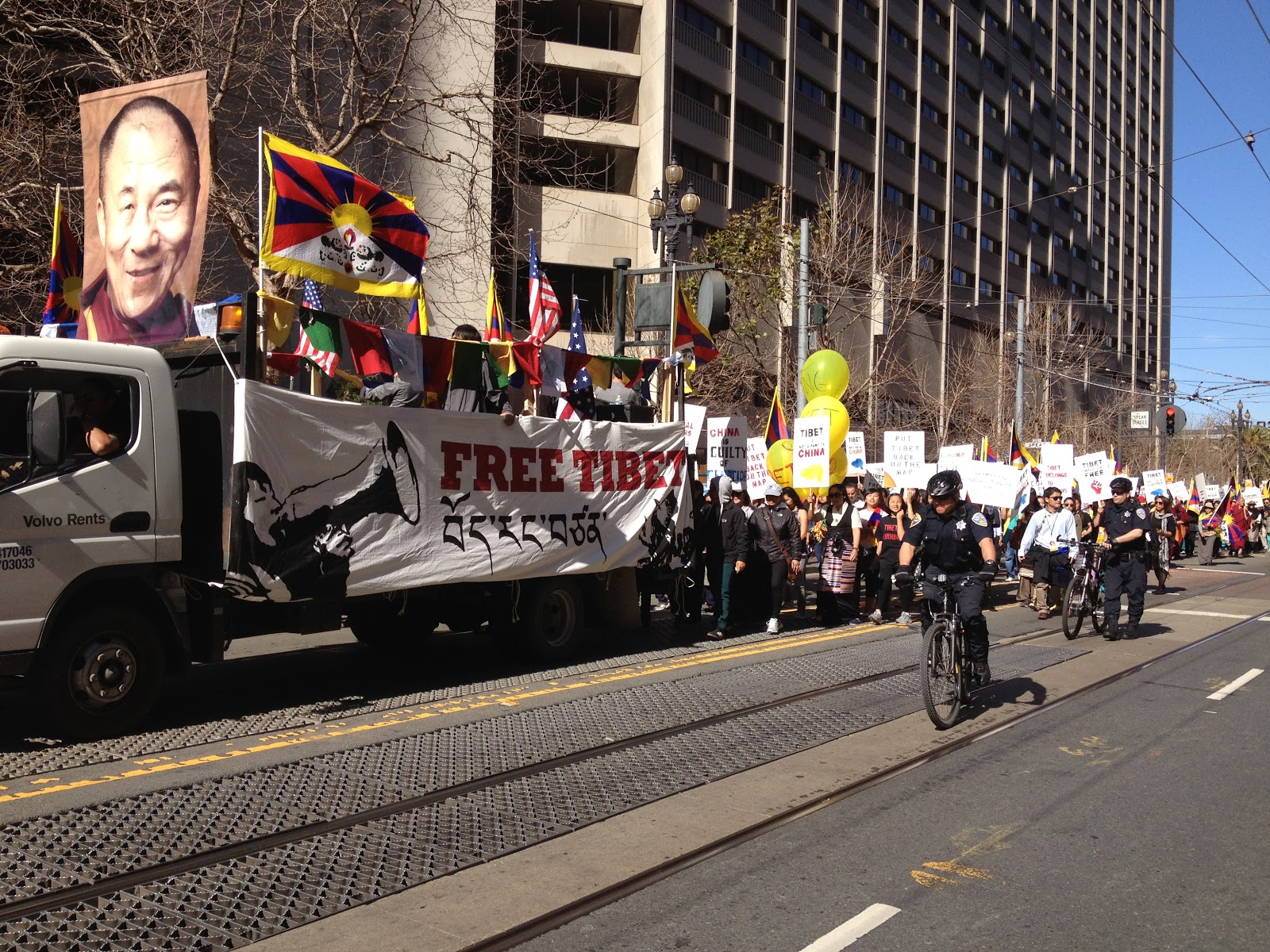
Tibetans marchiing through the street of San Francisco, USA
San Francisco: Tibetans and Tibetan supporters gathered in multitude at San Francisco downtown to commemorate the 54th anniversary of Tibetan uprising against the Chinese occupation of Tibet. People gathered at first at Berkeley city council where the message of Central Tibetan Administration (CTA) Dharamsala was read before the gathering. The City Council member Kriss gave an overwhelming speech in support of Tibetan people’s aspiration for freedom and justice in their homeland. He said it is a grave mistake to blame the people in Tibet of the self-immolation going on in Tibet, it is the social, political and cultural repression going on in Tibet that is to blame. “Berkeley city council as a whole has always supported the struggle and aspiration of Tibetan people; I’m only a representative of the city council.” He said.
Tibetan National Flag was hosted along with the American's before the City council hall, and Tibetan National Anthem "Sishi Phende" was sung at the ceremony.


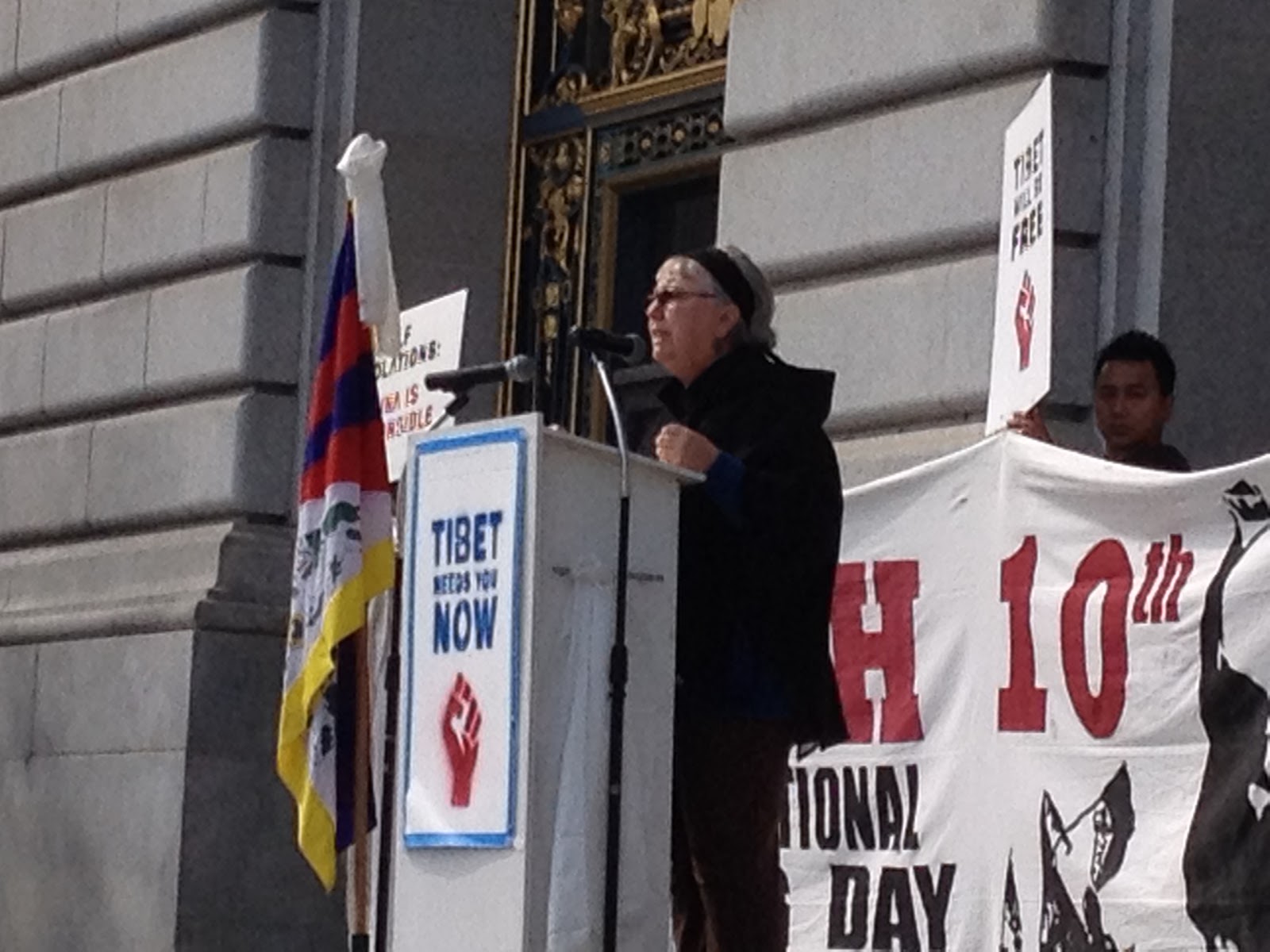
Later, the people marched to San Francisco downtown and gathered before the City hall. Amidst some five hundred Tibetana and Tibetan supporters, regional executives of Students for Free Tibet and Tibetan Youth Congress made a rhetoric speech on Tibetans struggle for independence and freedom. Richmond Mayor made a strong speech in support for the all the people fighting for justice and freedom. “I’m priveleged and honored to be among the people struggling for good and just cause. We all must stand up and speak for freedom and justice, otherwise we’re all empty vessels.” She said.


Young Tibetans leading the struggle for Independence
Passing through the most crowed lane of the city, the gathering marched from the San Francisco city council to the Union square, the most congested public gathering spot in the city. Throughout the three-hour march, people carrying Tibetan national flags, and the slogans highlighting the Tibetan issues received warm response from the pedestrians and the car drivers. Pamphlets on the purpose of the demonstration was distributed by the young Tibetans, many people readily accepted the pamphlets and showed their sign of agreement and support.

Chinese Tianenmen sqaure hero speaking for Tibet
Around four hundred Tibetans and Tibet supporters made this full day march and participation. The demonstrators made a long stop over before the Chinese embassy in the city, where the slogans to free Tibet and China was made, many Chinese also participated, prominent among them was the Chinese veteran Human rights activist, who lost his legs during 1989 Tiananmen square massacre. He said Tibetans and Chinese all should fight for freedom in Tibet as well as freedom in China. “The communist regime at the center is just a totalitarian regime interested only in keeping hold of their own power, and is least concerned about the general welfare of the people of Tibet, and China as a whole.” He said.
Richmond Mayor Speaking for the feedom, human rights and democracy in Tibet.
 
 The full day rally was organized by the Regional Students of Free Tibet and Tibetan Youth Congress supported by the Tibetan Association of North California. Many elderly people expressed their happiness to see many young Tibetan actively organizing and directing the rally. Some young executive members shed tears while delivering speech on Tibetan situation.

These tears from the young Tibetans who had never seen Tibet is a clear message to the Chinese communist regime that they cannot sleep in a complacency that they had swallowed Tibet. The Chinese leadership should understand the reality and give Tibetans their rightful freedom and democracy.
Tibetans monks from all school of Buddhism parying to open the eyes of ignorant Chinese leaderships' to see the real nature of reality and save humanity


Monday, February 25, 2013

Kalon Pema Chinjor in San Francisco

February 24, 2013 Sunday

དབུས་བོད་མིའི་བཙན་བྱོལ་སྒྲིག་འཛུགས་ཀྱི་ཆོས་རིག་བཀའ་བློན་སྐུ་ངོ་པདྨ་ཆོས་འབྱོར་ལགས་ཨ་རི་སན་ཕེ་རན་སི་ཀོ་ལ་ཆེད་ཕེབས་ཀྱིས་ས་གནས་མི་མང་ལ་ད་ལྟ་བོད་ནང་གི་ཛ་དྲག་གནས་སྟངས་དང་། བཙན་བྱོལ་བོད་མིའི་སྒྲིག་འཛུགས་ཀྱི་ལས་གཞི་ལས་འཆར། ད་བར་གྱི་ལས་བསྡོམས་སྙིང་བསྡུས་དང་བཅས་བཀའ་སློབ་ཟབ་རྒྱས་བསྩལ་གནང་བ།

San Francisco: Kalon Pema Chinjor visited San Francisco bay area today and addressed the Tibetan people at the Community hall in Richmond. He said that the visit was a part of effort by the Kashag [Tibetan cabinet] to reach the general public and Tibet supporters abroad. He said the Central Tibetan Administration stands for pure and genuine democracy, and in this democracy people plays a very important role, therefore, the Kashag’s effort to reach the people.
 
He talked about the on-going self immolation in Tibet. Since 2009, 104 people from three provinces of Tibet have burnt themselves to protest the brutal Chinese regime, and called for the return of His Holiness the Dalai Lama to Tibet. Most of the self immolators are young people brought up under the Chinese occupation. Chinese government has claimed that they have turned Tibet into a socialist paradise and that the Tibetan people are happy under their rule. But these self immolations by the young people convey the real situation in Tibet. Chinese government should accept the reality and resolve the Tibetan issue.

Tibetans in Tibet are not happy under the Chinese rule; this self immolation spat is a clear message to the world and to the Chinese government. We should all respect their sacrifice, and do our best to inform and reach their message to the international community. People in Tibet are relying heavily on Tibetan community abroad who are living in a free world. We should not let their sacrifice go astray.
 
Language is an important part of any culture. Tibetan language is the important link that connects the Tibetan people in unity; it is our identity and our cultural strength. When the Chinese government has failed to disintegrate the Tibetan unity, they are now trying to root out this important link, Tibetan language. Their policy is to destroy the language; this would lessen the cultural and religious strength, thus destroying the Tibetan identity.

Kalon also talked about how under the leadership of His Holiness the Dalai Lama, the exile-Tibetan are able to have a vibrant democratic setups. In order to make this democratic system strong and sustainable, Tibetans around the world should take active participation in it. In the next the election of Chitue, we should have many young and educated people aspiring to serve in our parliament, and in the election of Sikyong we should have number of Lobsang Senge and Dikyi Choyang to lead our struggle.

བྱང་ཀེ་ལི་ཕཱོར་ནི་ཡ་བོད་མི་སྤྱིན་མཐུན་ཚོགས་པའི་རྒྱུན་ལས་དང་མཉམ་དུ་འདྲ་པར།
After the talk, the Kalon accepted questions from the audience, and there was an active discussion on number of issues relating to Tibetan situation, and the administration of Central Tibetan Administration. Answering a question related to Shugden, Kalon warned the Tibetan people of the Chinese government’s effort to create dissension among the Tibetans through the use of Shugdhen followers. People expressed happiness over the Kalon’s visit and thanked him for clarifying on many issues, and showed their unwavering support to the Kashag of Central Tibetan dministration.                              


Friday, February 15, 2013

Losar Decoration and Derkha


ལོ་གསར་སྡེར་ཁ་མདོར་བསྡུས་གླེང་བ།
During Losar, altars in every Tibetan home are bountifully decorated with offerings. It is a Tibetan way of saying thanks to the nature, yulha and shidag for the good things they had in the passing year, and seeking blessing for the New Year.  Let me give a brief description of what is commonly found at the altar during the Losar celebration. They are: Derkha, Chemar / Chang-phuth, Bo, Yon-chab, Lug-go, and Lo-phuth.

Choeshom (མཆོད་གཤོམ།) is the altar where the Buddhas, gods, goddesses and deities dwell. It is also known by thongdrol chenmo (མཐོང་གྲོལ་ཆེན་མོ); meaning the great one that will liberate you on seeing it, and kunga rawa (ཀུན་དགའ་རྭ་བ།); meaning the great circle of happiness. On this Choehom, the choezes (མཆོད་རྫས།) are offered and displayed.
Derkha (སྡེར་ཁ།) is a pile of Khase (Tibetan cookies in different, mainly elongated shapes) offerings with other eatables. Der means plate; and Kha means mouth. So, it is a big plate in which lot of eatables are presented. Bongbu Achok literally means donkey’s ear. Why it is called donkey’s ear, nothing specific could be found; it may be because of its physical shape. Usually it is about one-feet in length and 5 inches wide. As it is soaked and prepared in hot boiling oil, it comes with an average height of 3 to 4 inches. It is sturdy and hard.
This Bongbu Achok is the pillar of the Derkha. Number of Achok for Derkha could be eight, ten, twelve and so on in even number. It can also assume odd numbers, when the base is made of three Achoks. Derkha is composed of six different khases. Achok, Nyashag, Tashi mugdhung, Kongche, Bolug khorlo, and Pinpin dhog dhog. All these are khase of different physical forms. Construction of Derkha is done to assume the shape of Tashi Taggye (the eight auspicious sign) in union. While official and monastic derkha are mostly constructed with its mouth facing downward, private home have the derkha with its mouth facing up. It is said that the private Derkhas are faced up so that various delicacies and sweats could be put inside the mouth of Achoks, while this is not done in official or formal Derkha.

It is also said that in order to have a harmony in the society, public authorities and public should have good communication. To indicate good communication and proper listening to each other, authorities’ derkha has the face down; and public derkha facing up, forming proper union facing each other.
Pic: Chemar in Bo [at Tibetan Association of Northerna California (TANC) Altar, 2013]

There is other theory as to why Achoks at Derkha are facing down. In Tibetan society, usually all the utensils, bowls, cups and containers are kept face down. If you keep any empty container facing up after washing it, you will be admonished to keep it facing down. This is because Tibet is a land of deities and spirits or ghost. Deities are propitiated often to subdue the malignant ghostly spirit harming the human beings. When the deities pursue the malignant ghost, the later often try to hide inside the utensils and containers. As the deities are sacred and clean, they can’t go inside the utensils and containers used by human beings. So, the ghost escapes from being caught by the deities. Therefore, all empty utensils and containers in Tibet are kept facing down. Official Derkha’s Achoks, which are empty, are kept faced down. Private home have their Achoks facing up because it is filled with other delicacies and sweets.
_______________________________________________________
Reference:
          Festival of Tibet, edited by Kalsang Khedup and Chung Tsering, Dept. of Education, CTA
          Bod-rgya tsigs mZod chenmo, dictionary
          Legend of Amche Raru by TG Arya

Thursday, February 14, 2013

Losar; The Tibetan New Year

གནམ་ལོ་གསར་ཚེས་ལ་བཀྲ་ཤིས་བེད་ལེགས་ཞུ།

ལོ་གསར་ཟེར་ན་ག་རེ་རེད།  དེ་ལོ་གསར་པ་དང་ལོ་ཏོག་གསར་པ་ཞེས་བོད་པ་དང་ཧི་ལ་ཡ་རི་རྒྱུད་དུ་ཡོད་པའི་མི་རིགས་ཀྱི་དུས་ཆེན་གལ་ཆེ་ཞིག་ཡིན།  ཕྱི་རྒྱལ་སྐད་ཡིག་ནང་ New Year ཞེས་གསར་པ་ལོ་ལབ་ཀྱི་ཡོད་འདུག་ནའང་། བོད་སྐད་ནང་ལོ་གསར་ Year New ལབ་ཀྱི་ཡོད། དེ་ཡང་ལོ་དེ་གསར་པ་ཡིན་དགོས་པ་ལས་གསར་པ་ལོ་ཡིན་དགོས་པ་མ་ཡིན་ཟེར། གསར་པ་གང་ཡང་ཡིན་སྲིད། དུག་ལོག་གསར་པ། དེབ་གསར་པ། གྲོགས་པོ་གསར་པ་སོགས་ཡོད། ལོ་དེ་བརྗོད་གཞི་ཡིན་པའི་ཆ་ནས་སྔོན་ལ་སླེབ་དགོས་པ་དང་། གསར་པ་དེས་བརྗོད་གཞིིའི་ཁྱད་ཆོས་ཡིན་པའི་ཆ་ནས་རྗེས་སུ་ཡོང་དགོས་ལ་སོང་ Year New དང་ལོ་གསར་ཡིན།
What is Losar? It is an important festival of Tibetans and people living along the Himalayan ranges to celebrate New Year or the New Harvest. Lo in Tibetan means Year; and Sar means New; therefore, Year New. Now, why Year New and not New Year as used commonly?  Tibetan language contends that it is the Year that is New, so the Year New (Lo-sar). New cannot be Year only, it can be anything; new dress, new book, new friends etc. As the Year that is subject of the topic, it should come first, and new being an adjective and ornamental to the subject should come later, therefore, Lo-sar; Year New.
ལོ་ནི་བོད་སྐད་ནང་ལོ་ཏོག་ལའང་གོ་གི་ཡོད། ལོ་གསར་ནི་ལོ་ཏོག་གི་ལོ་འགོ་གསར་པ་ལ་གོ་ཐུབ། འདི་ནི་ཤར་ཕྱོགས་དང་ནུབ་ཕྱོགས་རྒྱལ་ཁབ་མང་པོའི་རིགས་གཞུང་ནང་ལོ་ཏོག་གི་མཇུག་དང་འགོ་གཉིས་དེ་དུས་ཆེན་གལ་ཆེ་ལ་བརྩིས་ཏེ་སྲུང་རྩིས་བྱེད་ཀྱི་ཡོད་པ་དང་འདྲ་པོ་ཡིན། དེ་ནི་འབྱུང་བ་དང་། ལྷ་སྲུང་མ་དང་གཞི་བདག་རྣམས་ལ་འདས་ལོར་ལོ་ཏོག་ཡག་པོ་གནང་བར་ཐུགས་རྗེ་ཆེ་ཞུ་རྒྱུ་དང་། མ་འོངས་ལོ་གསར་པ་ལའང་ལོ་ཏོག་ཡག་པོ་ཡོང་རྒྱུར་འབོད་སྐུལ་དང་བྱིན་རླབས་ཞུ་རྒྱུ་ཡིན། བོད་པའི་ལོ་གསར་གི་མཆོད་གཤོམ་ལ་ལོ་ཕུད་དམ་ལྗང་ཕུད་འབུལ་སྲོལ་ནི་དེ་ལྟར་མཚོན་གྱི་ཡོད། འདིར་ལོ་ཟེར་ན་ལོ་ཏོག་དང་ཕུད་ཟེར་དང་པོ་ལ་གོ་གི་ཡོད། ལོའི་ལོ་ཏོག་དང་པོ་གྲོའི་ཉེ་མ་ལྗང་ཐིང་ངེར་ཡོད་པ་དེ་ཕུད་ཀྱི་ཚུལ་དུ་མཆོད་པར་ཕུལ་བ་དེ་ལོ་ཏོག་ཡག་པོ་ཡོང་རྒྱུའི་སྨོན་ལམ་དང་རྟེན་འབྲེལ་མཚོན་བྱེད་ཡིན་པར་སེམས།
Lo in Tibetan may also means harvest. It comes from the word ‘Lotok’. Here the Losar means the New Harvest. This is in conjunction with many eastern and western cultures, where the end and beginning of harvest is celebrated with great festivities. It is to thank the nature, gods and deities for bestowing a good harvest, and praying and seeking their blessing for a bountiful harvest in the coming year. Tibetan Lo-phuth, also called Jang-phuth, offered at the altar is symbolic of this fact. Lo here means Harvest as well as Year; Phuth means, the first offering. Young shoot of wheat grass, symbol of healthy harvest is offered at the altar to pray for good harvest.